On This Page
Email & SMS Marketing Automation for Nonprofits in Oakland: Engage Donors and Volunteers on Autopilot
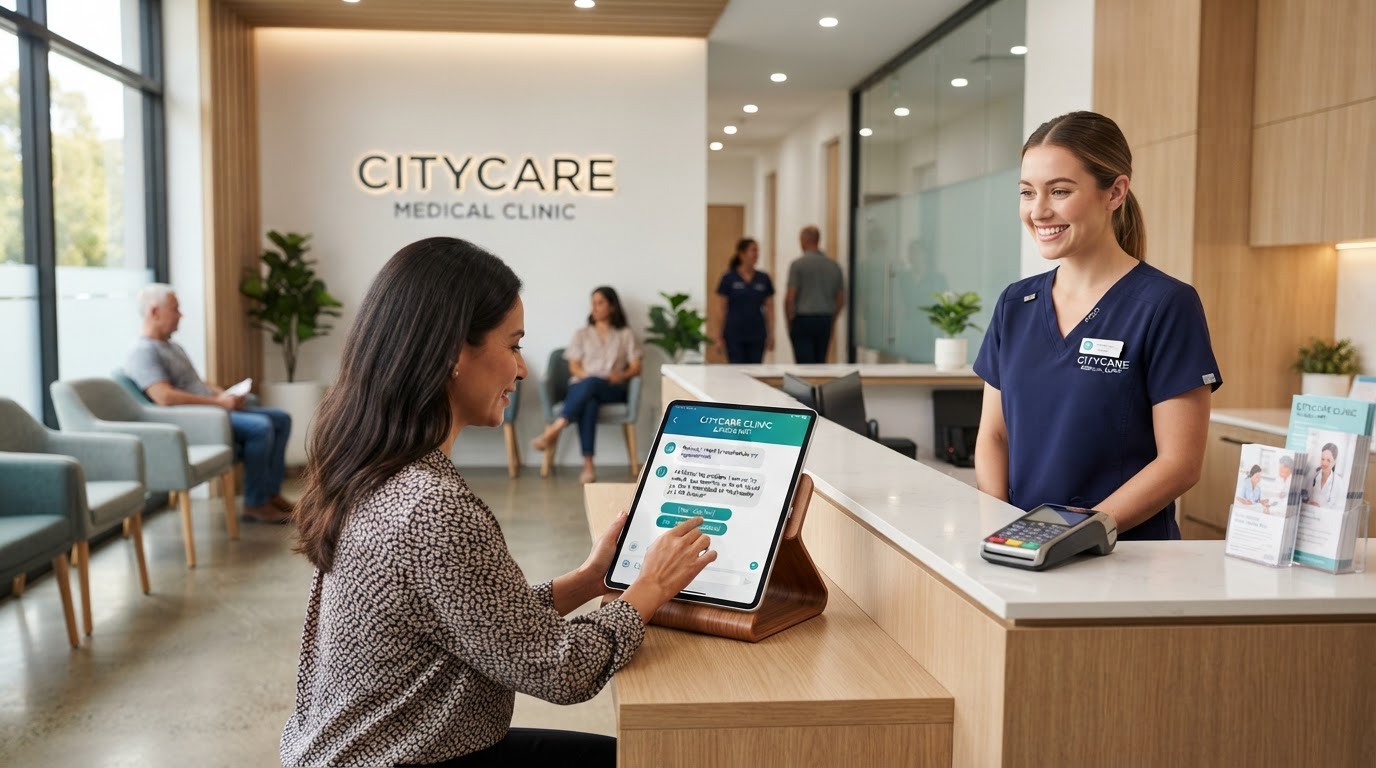
An Oakland nonprofit we worked with last year had a problem that will sound familiar to anyone in the sector: they were great at their mission and terrible at communication. They ran impactful programs, served thousands of people, and had a loyal donor base — but their email list was managed in a spreadsheet, event invitations went out manually, and donor thank-yous were often weeks late. The result was predictable: donor retention was declining, volunteer recruitment was inconsistent, and event attendance was dropping. After automating their email and SMS marketing, donor retention rose 22%, volunteer sign-ups increased 40%, and event attendance lifted 30% — all without adding communications staff.
01The Communications Gap
Most Oakland nonprofits face a structural communications gap: they have more stories to tell than they have time to tell them. A food bank serving 5,000 families a month has 5,000 stories, but the communications coordinator (if there is one) is also managing social media, the website, grant reports, and event logistics. The result is that donor communications are sporadic, event invitations go out late or not at all, and volunteer recruitment relies on word of mouth.
According to the Fundraising Effectiveness Project, the average nonprofit loses 54% of first-time donors — primarily because of poor follow-up. A donor who gives once and receives no acknowledgment, no impact update, and no invitation to give again is unlikely to return. The problem is not that donors do not care; it is that nonprofits do not have the systems to stay in touch consistently.
Our email and SMS marketing service is built around closing this communications gap.
02What the System Automates
A nonprofit email and SMS automation system handles the communications work that is most important and most often skipped. Donor welcome and nurture: an automated sequence that welcomes new donors, shares impact stories, and invites recurring giving — this is the single highest-ROI sequence because it addresses the 54% first-time donor loss. Event invitations and reminders: automated email and SMS for fundraisers, volunteer days, and community events, with reminder sequences that boost attendance. Volunteer recruitment and scheduling: automated calls for volunteers, with SMS reminders that reduce no-shows. Impact updates: regular automated emails sharing stories and outcomes, keeping donors engaged between asks. And donor reactivation: automated sequences targeting lapsed donors with 'we miss you' messages and impact updates.
The donor welcome sequence is the key. A new donor who receives a welcome email, an impact story within a week, and an invitation to recurring giving within a month is 3x more likely to give again than one who receives nothing. Read our Giving Tuesday campaign automation guide for the nonprofit-specific framework.
03The Oakland Nonprofit Market
Oakland's nonprofit sector has specific characteristics that make automated communications especially valuable. The city has a vibrant nonprofit ecosystem serving diverse communities — each with stories worth telling, if the communications capacity existed. Oakland's donor base is engaged and local — donors who live in the community want to hear about local impact, and consistent communication deepens that engagement. The city's volunteer pool is active but needs consistent recruitment and reminders — automated SMS solves both. And Oakland nonprofits compete for donors and grants with SF nonprofits, so professional communications are a differentiator.
For the local context, see our Oakland service area page and our email and SMS marketing for Oakland businesses.
Ready to Automate Your Email & SMS Marketing?
We build and manage email & sms marketing automation for service businesses — done-for-you on a flexible monthly subscription.
04Cost and ROI
Nonprofit email and SMS automation is low-cost and high-impact. An email automation platform with nonprofit pricing ($30–$100/month), SMS for reminders and alerts ($30–$80/month), and a CRM with donor segmentation ($50–$150/month) total roughly $110–$330/month — versus each retained donor worth $200–$2,000/year and each event attendee representing $50–$500 in revenue. A nonprofit that retains even 10 additional first-time donors a year from a welcome sequence has paid for the automation many times over. See our pricing page for the managed subscription model.
05Deployment
Nonprofit communications automation requires mapping your donor and volunteer journeys first. Week one is the donor welcome sequence: welcome email, impact story, recurring-giving invitation. Week two is event automation: invitation, reminder, post-event thank-you. Week three is volunteer recruitment and reminders. Week four is impact updates and donor reactivation, with full launch and monthly review.
Track which emails drive donations and event sign-ups, then adjust content and timing. Our workflow and integration automation service includes this ongoing monitoring.
06The Oakland Nonprofit's Result
The Oakland nonprofit we worked with was managing their email list in a spreadsheet and sending communications manually — sporadically and often late. Their first-time donor retention was 38%, volunteer recruitment was inconsistent, and event attendance was declining. We deployed an automated communications system: a donor welcome sequence, event invitation and reminder automation, volunteer recruitment with SMS reminders, and monthly impact updates. First-time donor retention rose to 60% within six months — a 58% improvement. Volunteer sign-ups increased 40%, and event attendance lifted 30%. The communications coordinator, freed from manual email sends, focused on storytelling and social media.
For nonprofits running seasonal campaigns like Giving Tuesday, our promotions hub shows how to align outreach with active events.
07What Stays Human
Automation sends and reminds; humans connect and inspire. Storytelling — the impact stories that move donors are written by people, not automation. Donor relationships — major donors need personal cultivation, not automated emails. Volunteer coordination on event day — automation recruits and reminds, but the event-day experience is human. And the actual mission — automation supports communications; humans do the work the nonprofit exists to do. For the full framework, read our Giving Tuesday campaign automation guide.
Key Takeaways
- The average nonprofit loses 54% of first-time donors — primarily from poor follow-up.
- A donor welcome sequence (welcome, impact story, recurring-giving invitation) makes new donors 3x more likely to give again.
- Oakland's vibrant nonprofit ecosystem, engaged local donor base, active volunteer pool, and SF competition make automated communications essential.
- Break-even is 10 retained first-time donors a year; most nonprofits recover far more.
- Storytelling, major-donor relationships, event-day coordination, and the actual mission must stay human-led.
Frequently Asked Questions

Written by Moise
Founder & Lead Automation ArchitectMoise is the founder and lead automation architect at Wootomatic. With over a decade of hands-on experience designing, implementing, and maintaining high-throughput business automations, CRM pipelines, and custom AI agents, he has architected mission-critical workflows for hundreds of appointment-based and field-service businesses. His focus is on resilient, monitored systems that produce measurable ROI without fragile software bloat.
Put This Into Practice
We build and manage these automations for service businesses on a flexible monthly subscription. Explore the related service to see how it works: