On This Page
Donor Follow-Up Automation: Turn One-Time Gifts into Long-Term Support
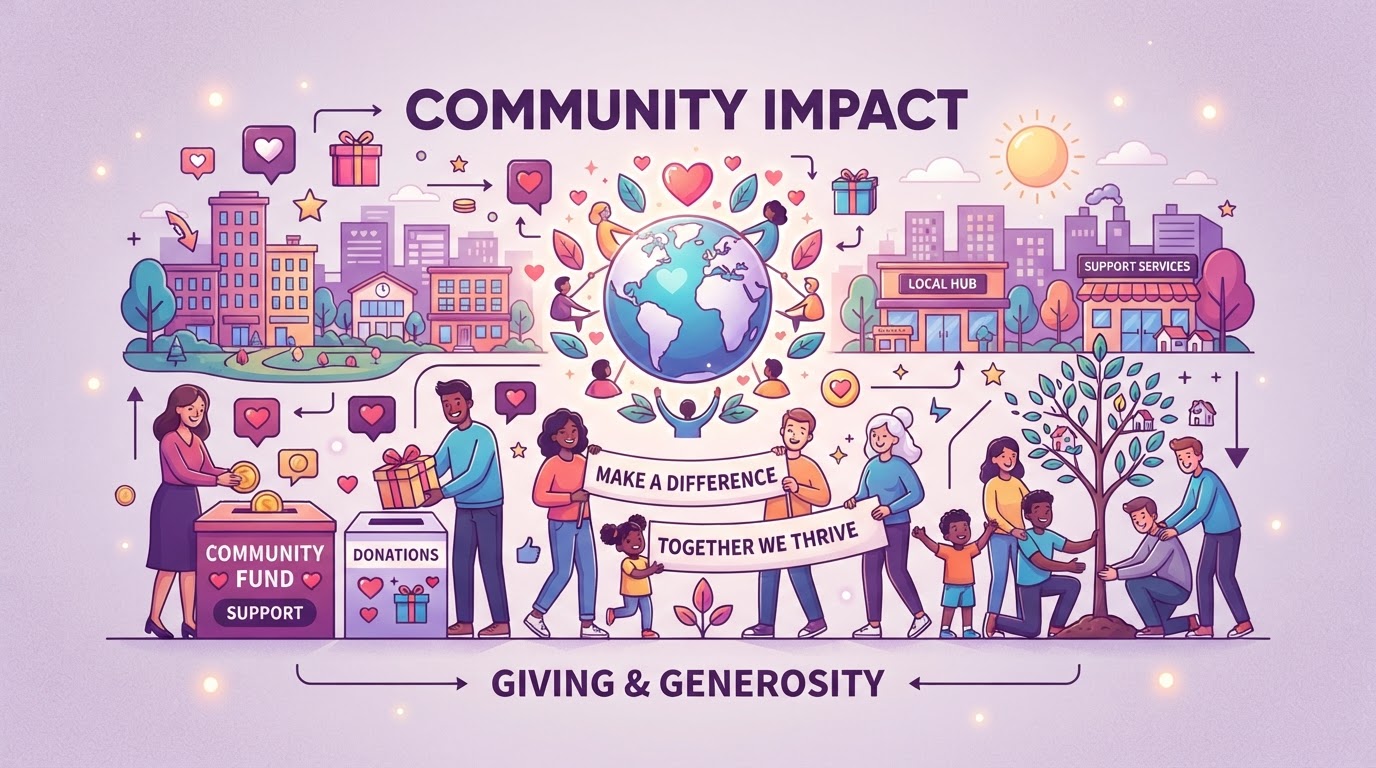
Every nonprofit has the same challenge: acquiring donors is hard, but retaining them is harder. The average one-time donor retention rate is 40–50% — meaning more than half of every new donor never gives again. The nonprofits that beat this average aren't the ones with the best acquisition campaigns; they're the ones with the best follow-up automation. This guide covers how to build a donor follow-up system that turns one-time gifts into long-term support — the timing, segmentation, messaging, and conversion ask that drives sustained giving. For Giving Tuesday-specific campaign guidance, see our [Giving Tuesday promotion page](/promotions/giving-tuesday).
01Why Donor Follow-Up Is the Highest-ROI Automation
Acquiring a new donor costs 5–7x more than retaining an existing one — yet most nonprofits invest almost entirely in acquisition and neglect retention. The result is a leaky bucket: donors pour in from campaigns and events, but more than half leak out before the next giving opportunity. Follow-up automation is the plug that stops the leak.
According to Fundraising Effectiveness Project's research, the average donor retention rate is 43.6% for first-time donors and 60% for repeat donors. This means more than half of every new donor is lost — and the lost donors represent wasted acquisition spend and unrealized long-term value. A donor who gives $50 once is worth $50; a donor retained for 5 years at $50/month is worth $3,000 — 60x the one-time value.
The economics are clear: retention is more valuable than acquisition. And retention is driven by follow-up — consistent, automated touches that build the relationship between gifts. Manual follow-up doesn't scale: a nonprofit with 500 donors can't personally follow up with each one. Automation makes consistent follow-up possible at any scale, for $0–$100/month in tooling. Our small business automation guide covers the general framework; this guide adapts it to donor retention specifically.
02The Donor Follow-Up Sequence
The follow-up sequence is a series of automated touches over the 90 days following a first donation. Each touch has a specific purpose — gratitude, impact, engagement, and conversion. Here's the sequence:
| Timing | Message Type | Purpose | Channel |
|---|---|---|---|
| Within 1 hour | Instant thank-you | Gratitude + receipt | |
| 7 days | Impact update | Show the difference their gift made | |
| 14 days | Engagement invitation | Newsletter signup, social follow | |
| 30 days | Story/impact content | Deepen connection to mission | |
| 45 days | Survey/feedback | Make donor feel valued + heard | |
| 60 days | Recurring gift ask | Convert to sustained giving | Email + SMS |
| 90 days | Impact report | Show cumulative results |
The first three touches (1 hour, 7 days, 14 days) build the foundation. The instant thank-you makes the donor feel appreciated immediately — this is the single most important touch, as it sets the tone for the entire relationship. The 7-day impact update closes the loop and shows the donor their gift mattered. The 14-day engagement invitation transitions the donor from a one-time giver to an engaged supporter.
The 30–60 day touches deepen the relationship and convert. The 30-day story content connects the donor emotionally to the mission. The 45-day survey makes them feel valued and heard (and provides feedback for improving your approach). The 60-day recurring gift ask is the conversion moment — this is where one-time donors become sustained supporters. The 90-day impact report shows cumulative results and reinforces the decision to give. Our email and SMS marketing service builds these sequences.
03Segmentation: Not All Donors Are the Same
A one-size-fits-all follow-up sequence underperforms because different donors have different relationships with your organization. Segment your follow-up based on donor characteristics:
First-time donors receive the full 90-day sequence — the goal is to build the relationship from scratch and convert to recurring. This is the highest-investment segment because the potential lifetime value is highest.
Repeat donors receive a shortened sequence — they already know and trust your organization, so the follow-up focuses on deepening engagement and increasing gift size rather than re-introducing the mission. Skip the impact update (they've seen it) and focus on new initiatives and opportunities.
Major donors ($1,000+ gifts) receive a personalized, human-led follow-up — automation handles the initial acknowledgment, but a personal call or handwritten note within 7 days is essential. Major donors expect personal relationships, not automated sequences. Use automation to flag major gifts and notify staff for personal follow-up — don't auto-sequence a major donor.
Lapsed donors (gave 12+ months ago, no recent gift) receive a re-engagement sequence: a 'we miss you' message, an update on what's new, and an invitation to give again. This recovers donors who drifted away — and according to Bloomerang's donor retention research, recovering a lapsed donor costs 1/3 as much as acquiring a new one.
04The Recurring Gift Conversion Ask
The 60-day recurring gift ask is the highest-value touch in the sequence — it's where a one-time donor becomes a sustained supporter. Here's how to craft it:
Frame it as sustained impact, not a fundraising ask. 'Your gift on [date] made a difference. Could you sustain that impact year-round with a monthly gift of $[amount]?' The framing is about continuity of impact, not about the organization needing money. The donor sees themselves as sustaining something they already started.
Suggest a specific amount based on their initial gift. If they gave $50, suggest $10/month ($120/year — more than their initial gift). If they gave $500, suggest $50/month ($600/year). The suggested amount should be achievable and slightly above what a one-time gift implies for monthly giving. Don't ask for the same amount monthly — that's too high. Don't ask for $5/month — that's too low to matter.
Make it frictionless. The recurring gift ask should include a one-click setup — a link that pre-fills their information and requires only confirming the monthly amount. The more friction in the conversion, the lower the rate. If they have to re-enter all their information, most won't complete it. Pre-fill from their donor record.
Follow up on the ask. If the donor doesn't convert at the 60-day ask, don't drop them. Send a gentle reminder at 75 days and a final opportunity at 90 days. Some donors need multiple touches before committing to recurring giving — and the automation makes this consistent without staff involvement.
05Failure Cases and Limitations
The most common failure is a generic, impersonal follow-up sequence. Every donor receives the same messages, regardless of their gift size, relationship history, or engagement level. The result: the sequence feels automated (because it is) and donors tune out. The fix: segment the follow-up by donor type and personalize the messaging — use their name, reference their specific gift, and tailor the content to their relationship with your organization. Our lead response time automation guide covers the personalization principles that apply here.
The second failure is asking for recurring too early or too aggressively. A nonprofit sends a recurring gift ask 7 days after the first donation — before the donor has experienced the impact of their initial gift. The ask feels pushy and premature, and the donor unsubscribes. The fix: wait until at least 60 days, after the donor has received the impact update and engagement invitation. The relationship must be built before the conversion ask.
A limitation to acknowledge: not every donor will convert to recurring, and that's okay. A 15–20% recurring conversion rate is strong — the goal isn't 100% conversion, it's capturing the donors who are open to sustained giving. Don't over-email lapsed donors who don't convert — respect their engagement level and continue the relationship through less frequent touches (quarterly impact reports, annual appeals).
06An Anonymized Example from Our Work
A small environmental nonprofit had 800 donors but a 38% retention rate — most one-time donors never gave again. Their follow-up was a single thank-you email, sent manually, often delayed by days. The board was frustrated: acquisition campaigns brought in donors, but the bucket leaked faster than it filled.
We deployed the 90-day follow-up sequence with segmentation: first-time donors received the full sequence, repeat donors received a shortened version, and major donors ($1,000+) were flagged for personal follow-up. The 60-day recurring gift ask was sent with a one-click conversion link. Within 6 months, the retention rate rose from 38% to 61% — and 14% of first-time donors converted to recurring monthly giving, generating an additional $2,800/month in sustained revenue. The lapsed-donor re-engagement sequence recovered 23 donors who hadn't given in over a year, representing $11,500 in recovered annual revenue. The automation stack cost $120/month and generated an estimated $33,600 in annual retained and recovered revenue — a 23x return. The board's reaction: 'We've been spending 10x more on acquiring donors we lose than on keeping the ones we have.'
07Building a Donor Retention Engine
Donor retention isn't about inspiration — it's about systems. The follow-up sequence above is the engine that turns one-time generosity into sustained support, at a fraction of the cost of acquiring new donors. The 90-day sequence, the segmentation, and the 60-day recurring ask are the components — and automation makes them run consistently for every donor, at any scale. If you're ready to build this engine, the automation audit and consulting service maps your nonprofit to the plan. And for Giving Tuesday campaign guidance, visit our promotion page. Because the best donor strategy is the one that keeps the donors you've already earned — and turns their first gift into a relationship that lasts.
Key Takeaways
- Donor retention (43.6% average for first-time) is more valuable than acquisition — a retained donor over 5 years is worth 60x a one-time gift.
- The 90-day follow-up sequence: instant thank-you, 7-day impact, 14-day engagement, 30-day story, 45-day survey, 60-day recurring ask, 90-day impact report.
- Segment by donor type: first-time (full sequence), repeat (shortened), major (human-led), lapsed (re-engagement) — one-size-fits-all underperforms.
- The 60-day recurring gift ask is the highest-value touch — frame as sustained impact, suggest a specific amount, and make conversion frictionless.
- A 15–20% recurring conversion rate is strong — the goal isn't 100% conversion, it's capturing donors open to sustained giving.

Written by Moise
Founder & Lead Automation ArchitectMoise is the founder and lead automation architect at Wootomatic. With over a decade of hands-on experience designing, implementing, and maintaining high-throughput business automations, CRM pipelines, and custom AI agents, he has architected mission-critical workflows for hundreds of appointment-based and field-service businesses. His focus is on resilient, monitored systems that produce measurable ROI without fragile software bloat.
Ready to Put This Into Action?
Tell us about your workflow and we'll scope a custom automation within 24 hours.